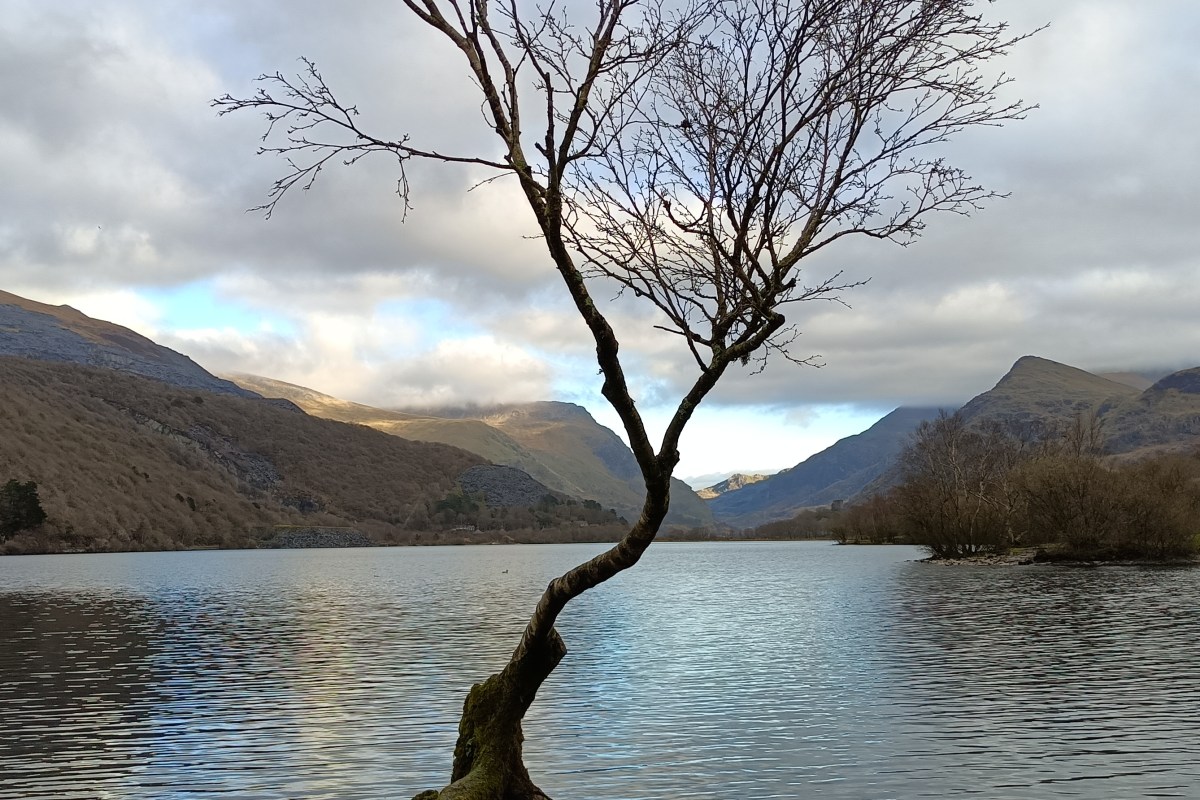
Imagine stepping out of your hostel and immediately, not yet even beyond the door frame, gazing upon a landscape of dawn, a rising sun hovering over a gentle mountainous lake.
Imagine these Muses of Nature, convincing you to heed the Songs of Adventure, to not return to slumber but instead to venture the Fields of Tranquility.
Imagine wandering through a fantastical land reminiscent of Middle-Earth, roleplaying as a member of the Fellowship, visiting cities with names even the locals can’t pronounce.
Imagine walking through a blanket of clouds as you ascend the mountain, revealing what was once obscured.
Imagine experiencing this in solitude, with a complete absence of civilization, a union of Man and Mother Nature.
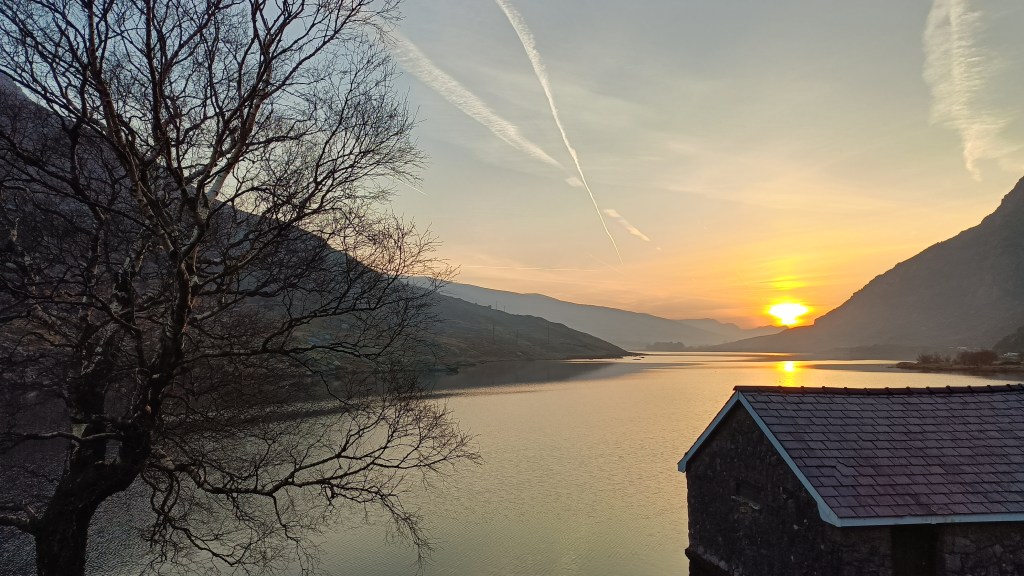
These fantasies became my reality, moments I’ll always remember during my week-long travels to Wales. Despite traveling with a friend who did not share the same passion for the outdoors, I seized numerous opportunities to enjoy the natural blessings I had been given. Our hostel was located at the base of a National Trust Site, a conservation charity, which included two relatively short hikes to separate yet equally divine alpine lakes. The blessings inspired me to break a life-long tradition (which has only been broken 2 times previously) of not waking up before 6am, allowing me to witness the sunrise and nearby hikes and return to the room before my friend woke.
These fantasies are perhaps exaggerated by the sheer awe I perceived for every little detail of that country, literally from the brick-built parking lots to the aforementioned cloud-obscured mountains. As I had been to the UK before, I spent a lot of time on this trip experimenting with a type of travel I have neglected in the past: Immersion. Most of my trips historically have consisted of following a strict itinerary of seeing and doing touristy things and not so much as experiencing the culture. This trip remedied that. I allowed for time to simply wander their towns, falling in love with their architectural aesthetic that every building shared: rustic brown, built with brick and thatched roofs. These are qualities known for the traditional villages, though even the more recently developed cities matched aesthetic from building to building despite straying slightly from this traditional style.
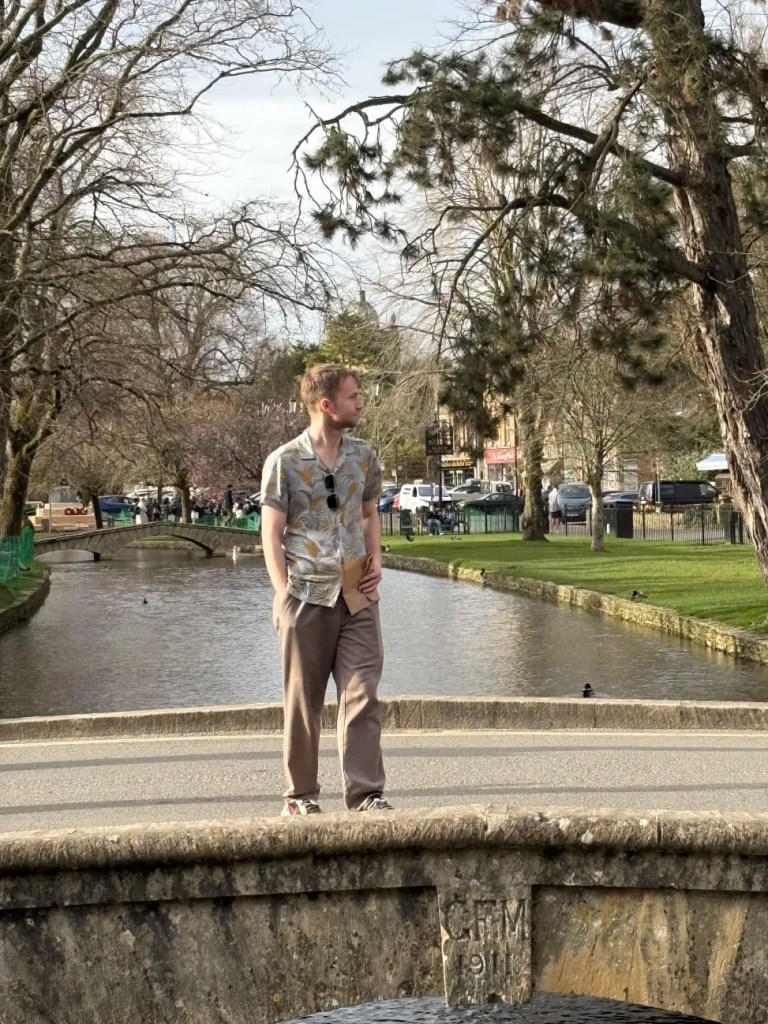
Such a village was actually one of my first stops in the trip (second after the pub featured in Ted Lasso, which I disappointedly discovered was merely the inspiration for their set piece and not the film site): Bourton-on-the-Water inside the Cotswolds Area of Natural Beauty. This village is the definition of Traditional English villages, from the Rustic style architecture to its very name. Perched along the River Windrush, the village practiced a peaceful facade while the lacking presence of motor vehicles mastered it. The vehicles still existed, parked along the curbs and tainting the village aesthetic, but with numbers heavily reduced compared to American towns. In fact, I have found that most European countries rely less on motor vehicles than the States and I’ve felt at peace pretty much everywhere I’ve gone in that continent.
This new experimental travel approach was assisted by several mates of mine who live across the pond, helping me that week to live like a local. They showed me a true English vacation, which included a weekend at a caravan (essentially a mobile home) rental, arcade and swimming pool at a chain company called Haven. I’m not generally one for relaxing whilst traveling but it did allow for quality time with mates I already had limited time with.
Over that weekend they introduced me to a traditional English Roast Dinner, several servings of English Tea, and (one of the main reasons I flew out to the UK as I forgot to indulge in this during my last visit) an English Breakfast. These meals were culinary delights despite their simplistic recipes; the Roast Dinner is literally just a mix (or choice) of beef, turkey and gammon (which in America is simply called Ham. A favorite pastime on this trip was learning all their different terminology for such common words), with added potatoes, stuffing, gravy and yorkshire pudding. The English Breakfast is also a buffet of varying flavors consisting typically of bacon, eggs, toast, pudding, beans, mushrooms and tomatoes. I also prioritized the iconic Fish and Chips (which in Britain is what they called Fries) during that week, as well as a bag of Jelly babies, which every fan of Doctor Who should taste at least once in their lifetime. None of these meals were exactly life-changing tastes, but for the sake of immersing myself with the culture, I would 100% try them all again. In fact, with all the relatively easy ingredients, I could eat like a Brit in the States. But let’s get back to actually sharing the experience of my trip, shall we?
I embarked on my journey through the UK from Gatwick airport, where one such mate picked me up. Now, before I proceed further, I find it important to note that none of these mates I would dedicate time to on this trip had I met before in person; they were strictly online relationships up to this point. As I would soon learn, people have online personas and then they also have in-person personas. That’s not to foreshadow a severe discomfort or anything but, for the mate that picked me up, I suppose I underestimated exactly how that experience would go.
I had heard rumors before about the differences between American driving and British driving, though I hadn’t really understood what those rumors were. I figured 6 hours on the road is still 6 hours, right? Well it’s not quite that simple, as I would come to realize. You see, in America, 6 hours often means a straight shot down a highway. In Britain, however, that means a constant focus on endless curves through the countryside, a likely mentally exhausting feat that requires frequent stops at one of Britain’s many service stations (their equivalent, albeit more advanced with their inclusion of gas stations and full restaurants, to America’s rest areas). Having grown up driving 10+ hours stopping only for gas, I had to adjust to the significant drop of stopping every couple hours.
That wasn’t the only detriment to the trip either, for my mate decided to torture me with an endless personal sing-along concert to various female pop artists and musical soundtracks. I discovered her aggressive road rage that countered my passive patience. And the logic behind some of her decisions didn’t make sense to me but there’s a bias there if such decisions meant the removal of an itinerary item. For fear of offending anyone, I should point out that most of this is sarcasm. I actually didn’t mind her concert because I recognized the extremity of the favor I requested of her; while driving 6 hours is miniscule to me, I understand it’s significant time for most other people. It was only fair that I allow her the opportunity to enjoy the drive more. Plus, I had gorgeous countryside to stare at. She sacrificed a lot for me to enjoy my trip, including waiting in the car while I ran off chasing waterfalls, so I was not about to complain. I compromised when I could. Yes, had the trip operated the same way most of my trips do, I likely would have seen more. But I still saw almost everything on my list, and even let my friends introduce me to additional items I hadn’t researched beforehand. Some of those were even the best parts of the trip.
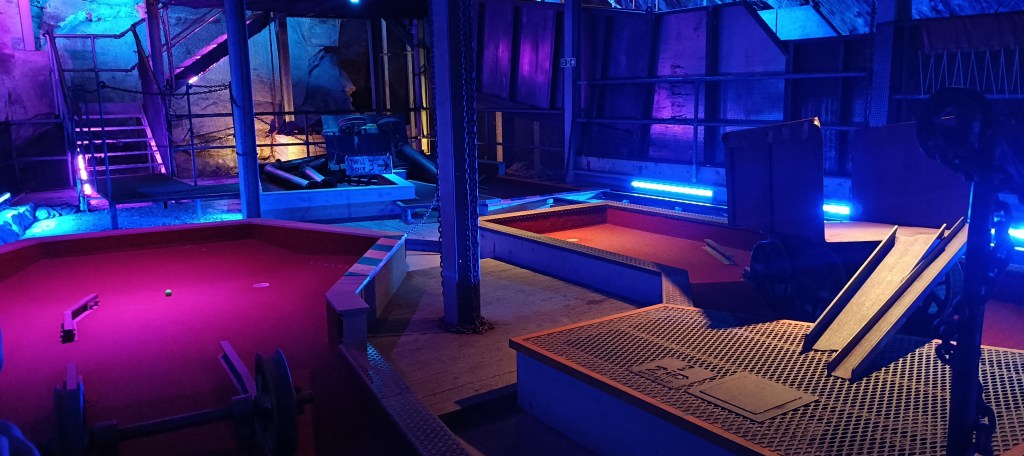
Imagine an underground playground, an abandoned mine repurposed into a miniature golf course. That environment alone should attract the general populace but when you add in actual well-designed holes, it’s an automatic highlight. There was one hole that converted the tee into an elevated platform that shifted out of balance every time we added weight, which made it difficult to position oneself for the most efficient shot but a cool feature nonetheless. There was another feature near the final hole that allowed golfers to ‘follow their ball’ down to the next section of play after hitting it into a hole by sliding down a massive slide, of which my body of course would refuse to slide and required me to instead scooch awkwardly. There were other highlights I had researched beforehand, for very good reason, that I was able to introduce my friends to.
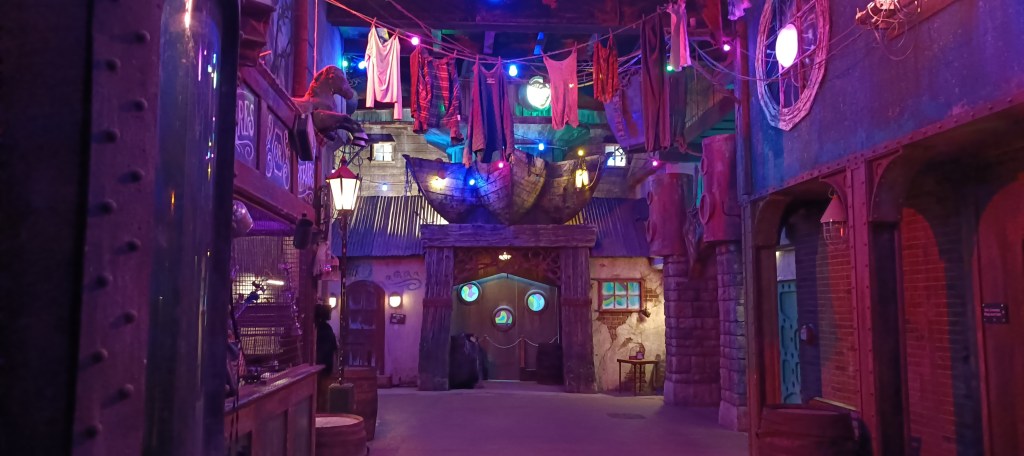
In the Southwest US, in the region spanning from California, Texas and Colorado, there is a chain of art museums called Meow Wolf. Admittedly, calling it an art museum is an understatement. I have never been able to describe it faithfully and suggest you google it sometime for the best I can do is call it an interactive exhibit. Every location guides visitors through different stories that connect distantly to the other locations, traversing portals into different worlds. It’s a highly successful chain that has inspired businesses globally, including the final highlight of my trip in Bristol called Wake the Tiger. Whilst navigating the maze of the exhibit, I had a chinwag with a staffer about Meow Wolf (which I discovered is taboo for them due to a rumored lawsuit). I assured her that the two companies had their fair share of differences and that no one should have a monopoly on art, that the lawsuit should be thrust into a time machine and shredded in whatever conference room it originated.
During that same weekend in Haven (the chronologicality of this story was doomed from the start), my friends and I visited an Italian-inspired village off the Welsh coast of the Irish Sea named Portmeirion. Growing up in the inland USA, I have only directly seen the ocean twice and the bodies of water I am fond of have no ability to follow the logics of tide. Arriving at Portmeirion in the morning and hiking up to a viewpoint revealed only a parched strait, yet by the time I ventured along the coast after lunch, the tides had refilled that strait. It was not a science I have witnessed firsthand before and I hadn’t even realized the science until one of my mates pointed it out.
The town itself successfully reminded me of my travels in Italy, efficiently imitating the architecture and environment. Overlooking the bay, I could envision the Irish Sea replaced by the Mediterranean. The single meal I tasted was iconically British though.
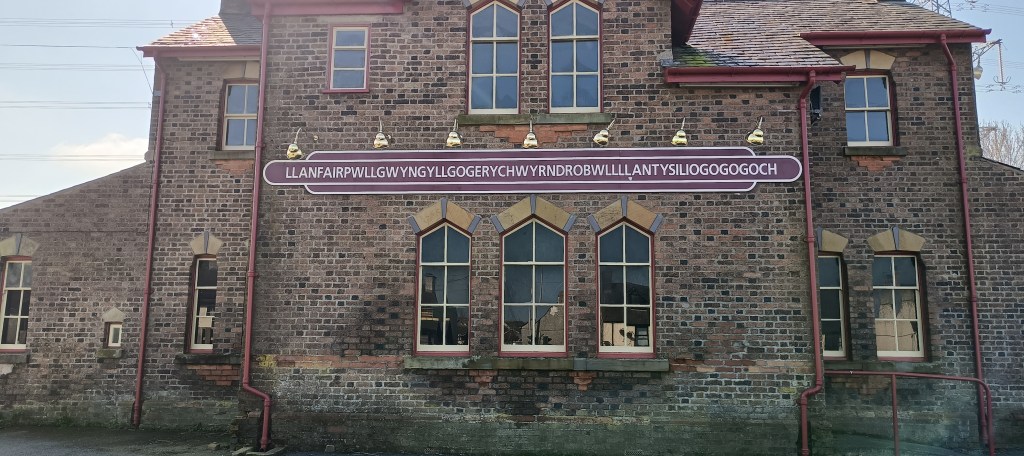
Following the weekend at Haven, we drove up to the paradise featured as my hook to this story, Snowdonia National Park. Centrally located to the majority of the rest of my itinerary, from my hostel I was able to reach Wales’ northernmost point in Anglesey (some of the most gorgeous cliffs I have seen), visit a castle, several gorgeous hikes taken out of a fantasy novel, explore a British college town, and visit the longest single word named city on the continent (second in the world, and no I am not even going to attempt to spell it for you. I’ll let the picture do that task for me. I simply call it Llanfair.)
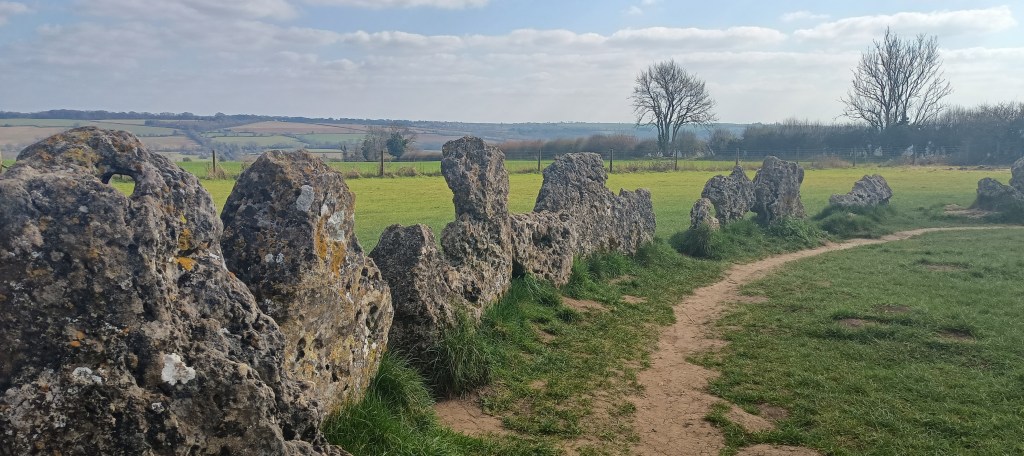
For fear of a long queue and extensive detour, I initially skipped a visit to Stonehenge. I thus ended my tour of the British Isles with a quick stop to a Stonehenge substitute, another circle of rocks historically important to the locals, less impressive than Henge, but backdropped by endless fields that maintained a quality worth visiting called the Rollright Stones. Standing in the outskirts of the Cotswolds, the Rollright Stones proved an adequate alternative to the much busier Stonehenge, permitting street parking for a quick 50-100 foot hike to the stones.
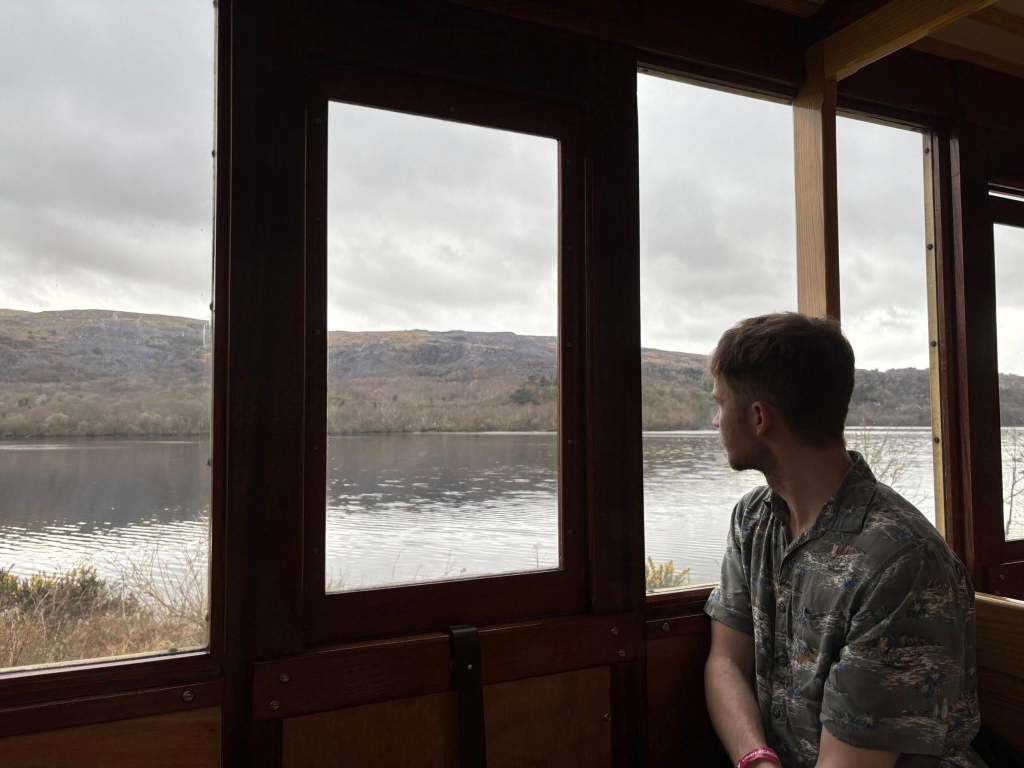
Another intention while planning for this trip was to experience an (inter)National Park amidst all the chaos ravaging those in the States. I don’t think I could have picked a better park than Snowdonia, an absolute thrill even out of its tourist season (although if I had left even just a day later I could have enhanced the journey with a train ride through the countryside and up to Snowdonia’s highest peak. Instead I had to settle for a much shorter train ride along a single side of a lake).
I drank with a couple locals in the lounge of my hostel, discussing the park “situation.” I had realized that, driving into Snowdonia, we never passed an entry toll booth like you have to in the States (though I have been to a couple US National Parks where these booths can be avoided if one found the proper back roads). I also realized that I hadn’t seen a single park ranger. These factors piqued the curiosity I addressed to the locals, one an army soldier nearing the end of his station and the other a retiree. They informed me how their parks were mostly operated by volunteers and funded by donations.
I discovered on my own another source of funding granted by an endless parade of parking lot fees (or as the Brits call them, Car Parks). And I mean endless in the literal sense. You think this business has its own private parking for its customers? It’ll cost you £3. I also encountered a few toll booths for entry into individual points of interest. Swallow Falls, located just outside Betws-y-coed, has an entry fee of £2 that goes toward managing that section of Snowdonia. There is also another interesting factor contributing to National Park conservation: businesses.
Through further research after my return to the States, I discovered the key differences between parks in the UK and in the US. The US National Parks are owned by the government and established to protect wildlife and natural resources. They rarely include permanent human communities. In the UK though, National Parks were established around already developed settlements and owned privately, not technically qualifying as “National Parks” according to internationally accepted standards. They are instead developed as areas of natural beauty to protect landscapes and, while controlled privately, do still have committees to restrict further development that may taint that landscape.
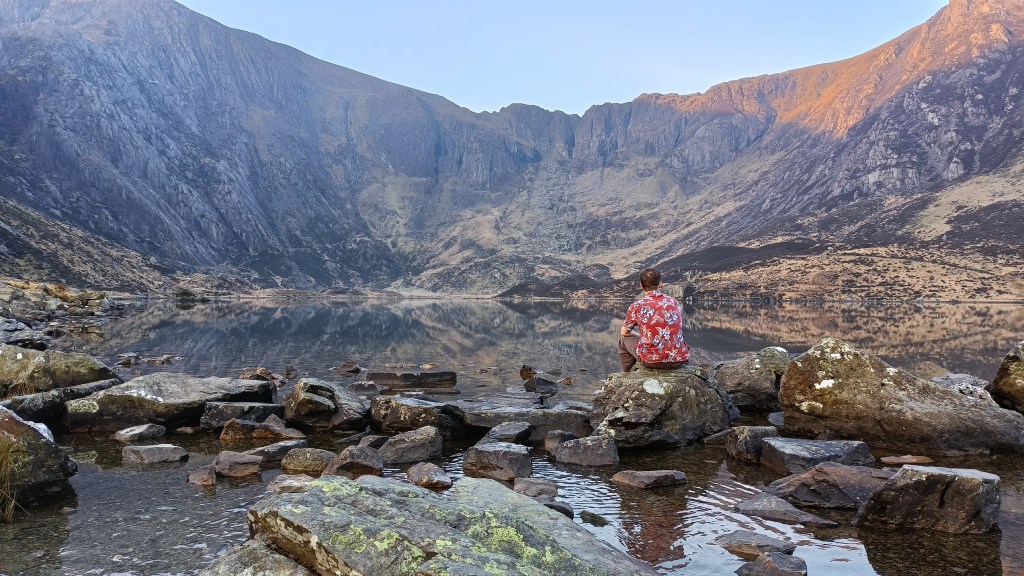
I reflected on this information a lot during this trip, really trying to ‘learn’ something as I believe traveling does help teach and open eyes to the world. I can’t help but wonder if there’s something the US can do to adjust the operations of our own Parks. The chaos of these layoffs is aggressive due to decades-long systemic policies. It’s doubtful we would reach the same level of management as the UK. Despite the obvious reasons we cannot apply the same policies to our parks, we can perhaps learn from them.
I myself learned quite a bit on that trip: about Wales, about the World, but also about myself. Maybe it’s a factor of having traveled to 14 countries or 30 States, maybe it’s simply a pure captivation of a different world, but I had my own eye-opener that week to a dark secret: I want to live outside of the US. The operations of other countries to me just seem more logical, many nations are more advanced, and people are in general more considerate of each other. I may have joked about my friends kidnapping me so I never have to go home, but a good chunk of me seriously considered something, anything to keep me there. Alas, I returned home, inspired to alter the trajectory of my life despite spending the last decade refusing to invest in a future that may never come, living every moment in the present the best that I can.
I now imagine a life full of possibilities, a freelancer on the road writing and sharing stories that will enlighten the world.
I now imagine a life shifting from station to station teaching English to non-natives, living in exotic countries and immersing myself into countless different cultures.
I now imagine a life in the sky, attending to flight passengers, staying in hotels every other night in strange new cities.
I now imagine a life as an advisor, plotting the most memorable, exciting, and life-changing adventures a client could ask for.
I now imagine a life on screen, portraying characters of varying qualities, behaviors, and mannerisms.
I now imagine all these different versions of me that died years ago, abandoned dreams begging for reclamation. This trip brought fantasies to life. It is time I reinvigorate a few more fantasies of my own.
 Around the World in Stories